Step 2 · Beginner · Ages 10–13 · 14–17
Model United Nations Classes for Beginners: Conference Ready
Pressure-test the fundamentals and finish ready for a first real conference.
- The ladder
- 1. Beginner I
- ·2. Beginner II
- ·3. Intermediate I
- ·4. Intermediate II
- ·5. Advanced I
- ·6. Advanced II
- ·7. Scholars
About this program
Beginner II is the conference-readiness term. Beginner I taught the fundamentals; this course pressure-tests them at real pace. Students build a proper conference dossier, write a position paper to the standard strong conferences expect, learn to think on their feet through points of information, and get a first structured taste of caucusing, where committees are actually decided. The term closes with a full-length mock conference, roll call to final vote, with chair-style written feedback for every delegate. A student who finishes Beginner II can walk into a first real conference already knowing how the day will go, and the ones who want to start steering that day move on to Intermediate I.
Is this the right fit?
- Who it's for
- Beginner I graduates ready to pressure-test the fundamentals · Students with one conference behind them who want the gaps filled · Delegates who want their first big conference to feel like a rehearsal, not a shock
- Prerequisites
- Beginner I, or one conference of experience and a working grasp of the rules of procedure. The free trial doubles as a placement check.
- Where it leads
- Graduates step up to Model UN Intermediate I.
Class schedule
Each course offers a Middle School and a High School band, and every band has two weekly slot options, all on weekends. The schedule below displays in your own timezone automatically; the selector lets you view a different one.
Middle School
Ages 10–13One 1.5-hour class per week, 12 weeks
Option BEGINNER-II-MS-AMDXB · Americas + Dubai
Sundays
11:00 AM – 12:30 PM EDT
Option BEGINNER-II-MS-ASIADXB · Asia + Dubai
Sundays
6:00 AM – 7:30 AM EDT
High School
Ages 14–17One 2-hour class per week, 12 weeks
Option BEGINNER-II-HS-AMDXB · Americas + Dubai
Sundays
11:30 AM – 1:30 PM EDT
Option BEGINNER-II-HS-ASIADXB · Asia + Dubai
Sundays
6:30 AM – 8:30 AM EDT
What students achieve
- ✓Walk into a first conference knowing exactly how the day will run
- ✓Build a conference dossier and actually use it mid-debate
- ✓Speak late on a speakers’ list and still add something new
- ✓Ask and answer points of information without stalling
- ✓Hold your own in a first unmoderated caucus
- ✓Complete a full-length mock conference from roll call to final vote
What a session looks like
Every class runs the same loop, so students always know the shape of the session.
- 0:00
Procedure at pace
A fast drill on motions, points, or speech timing. No pauses; fluency is the goal.
- 0:15
Skill focus
The week’s lesson: research depth, speech craft, or caucus technique, taught with live examples.
- 0:45
Committee time
An extended simulation block where students apply the skill at conference pace.
- 1:40
Debrief and written notes
The coach walks through what happened in committee, and each student leaves with written points to fix.
Curriculum
01Committee at full speed
A diagnostic mock session with no pauses. The coach maps what each student already does well and what the term needs to fix.
02Research that goes deeper
Past resolutions, Secretary-General reports, and treaty texts: how to build a country brief that answers questions a background guide never will.
03The conference dossier
Students assemble a compact research binder: country brief, topic brief, likely allies and rivals, and quotable evidence, organized to be used mid-debate.
04Position papers to a competitive standard
A second full paper, held to the standard strong conferences expect: sharper sourcing, a real proposal, and no filler.
05Speech craft
Beyond the memorized opener: structure on the fly, signposting, and how to speak tenth on the speakers’ list and still say something new.
06Thinking on your feet
Points of information from both sides: asking questions that expose weak arguments, and answering hostile ones without stalling.
07Your first unmoderated caucus
What to actually do when the chair says you have ten minutes: who to approach, what to say, and how loose ideas turn into groups.
08Contributing to a draft
How clauses get written in a huddle, how to get a sentence of yours into the room’s draft, and what sponsors and signatories owe each other.
09Mock committee: topic one
A full-pace simulated session on the first term topic. No scaffolding this time; the feedback comes after, in writing.
10Repair week
Feedback from the mock, turned into targeted drills. Each student works the specific skill that held them back.
11Conference rehearsal
Country assignments, papers submitted, speeches rehearsed, and a walkthrough of how a real conference day runs, from opening roll call to closure of debate.
12Full-length mock conference
A complete conference simulation at real pace: opening speeches, caucuses, drafting, and a final vote, with chair-style written feedback for every delegate.
What's included
- ✓Twelve live small-group sessions with a dedicated coach
- ✓Written feedback after every session
- ✓A conference-standard position paper reviewed with line edits
- ✓A complete conference dossier built across the term
- ✓A full-length mock conference with chair-style written feedback
- ✓A conference-readiness report with first-conference recommendations
Who teaches it
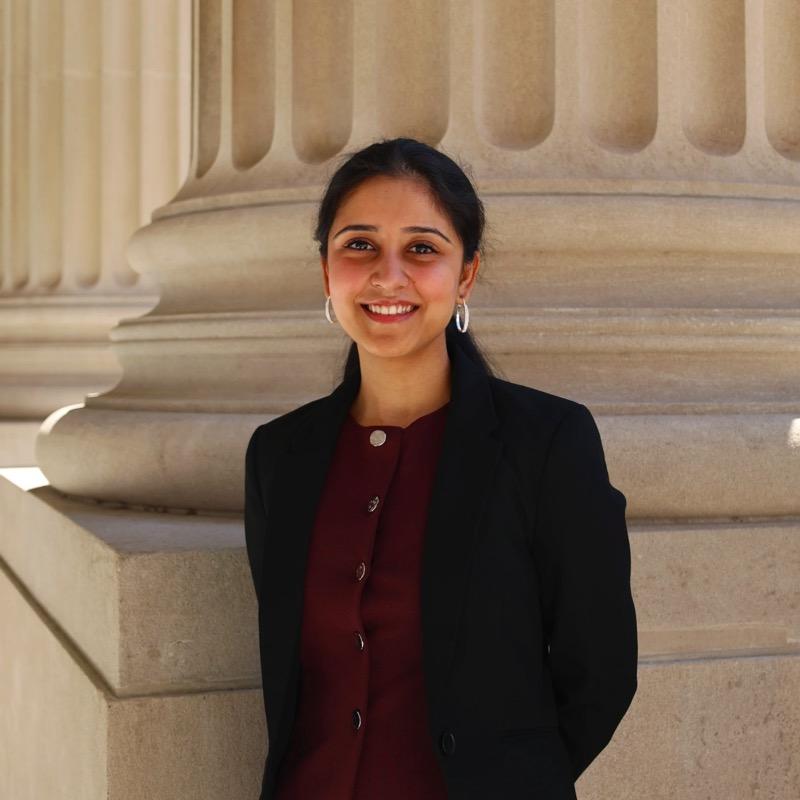
Netra Easwaran · Model UN Coach
Director-General, Yale Model United Nations
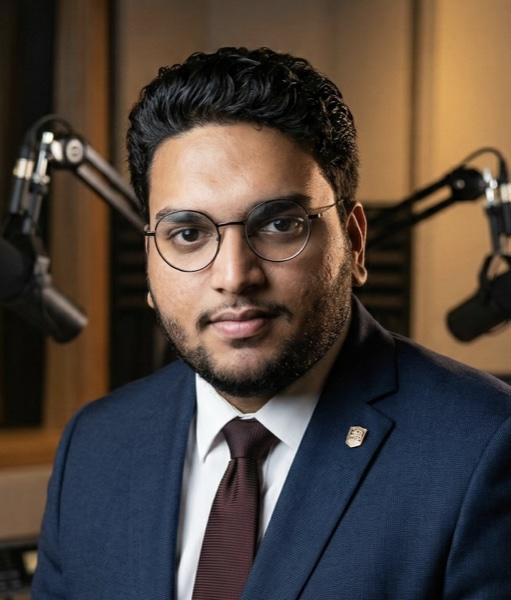
Amaan Ibrahim · Model UN & Public Speaking Coach
Six-time TEDx speaker
Meet the full coaching team on the coaches section.
How enrollment works
- 1
Enroll and pay
Secure checkout takes a minute. Pick the age band and time slot, enter each student’s details, and pay for the term.
- 2
We reach out in 24-48 hours
A coach contacts you to welcome the student, confirm the band and time slot, and answer any questions.
- 3
Placement and first session
We place the student in the right class and send the class link and materials before the first meeting.
Frequently asked questions
Can my child skip Beginner I and start with Beginner II?+
Yes, if they already know the rules of procedure, usually from a conference or a school club. The free trial works as a placement: a coach will honestly recommend Beginner I or II after seeing your student in a live session.
How is Beginner II different from Beginner I?+
Beginner I teaches the fundamentals with scaffolding; Beginner II runs them at real pace. The research goes deeper, the papers are held to a higher standard, caucusing enters the picture, and the term ends with a full-length mock conference instead of a guided one.
Will my child actually be ready for a real conference after this?+
That is the design goal of the course. By the end of term a student has written conference-standard papers, debated two full mock committees, and rehearsed the shape of a conference day. Coaches also point families to suitable first conferences from our conference directory.
Is the final mock conference online as well?+
Yes. It runs over video at real pace, the same way online conferences run, with the coach chairing and every student representing an assigned country from opening speeches to the final vote.
How much work is there between sessions?+
Expect thirty to sixty minutes most weeks: research for the dossier, paper drafts, or speech preparation. The load rises slightly before the mock conference, which is deliberate, because that is what a real conference week feels like.