Blog · In committee
Note Passing in Model UN: How to Write Notes That Get Answered
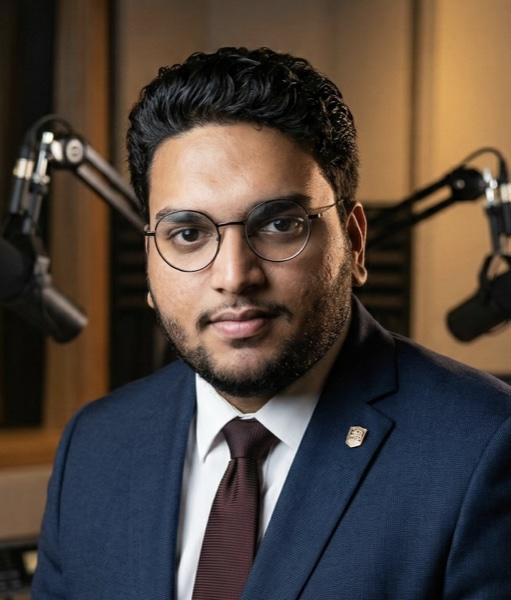
By Amaan Ibrahim · Model UN & Public Speaking Coach
A lot of Model UN happens on small squares of paper. While one delegate speaks, twenty others are writing notes to find allies, recruit sponsors, and set up the next caucus. Most of those notes never get a reply, because they are vague, crowded, or all about the sender. This guide shows you how note passing works, the four parts every useful note has, six sample notes you can adapt, and the etiquette chairs expect.
What note passing is and when it is allowed
Note passing is the written back channel of a committee. During formal debate, while speeches are running from the speakers’ list, and during moderated caucuses, you cannot leave your seat or talk over the speaker. So you write a short note, fold it, address the outside to a country, and hand it to a page (a conference volunteer who carries notes around the room) or pass it along the row to your neighbor.
At most US conferences running UNA-USA-style procedure, note passing is open during formal debate and moderated caucuses. In an unmoderated caucus you can simply walk over and talk, so notes matter less. Many conferences suspend note passing entirely once the committee moves into voting procedure, when the room is sealed and delegates should not be lobbying anymore. Some small committees drop pages altogether, and a few conferences limit how many notes pages will carry at busy moments. Your conference’s rules win here, so read the handbook section before the first session, and if you are new to how debate modes change through a session, our rules of procedure guide walks through the full flow.
The anatomy of a note that gets answered
The delegate reading your note is also listening to a speech, editing a clause, and holding three other notes. You have about five seconds of their attention. A note that survives those five seconds has four parts, in this order.
| Part | What it does | Example |
|---|---|---|
| To / From | Country names, never your own name. Pages deliver by placard, and the reader needs to know which delegation is asking. | To: Brazil | From: Kenya |
| One ask | A single request the reader can answer yes or no. Two asks in one note get half an answer. | Would you co-sponsor our working paper? |
| A reason | One line on why it helps them, not why it helps you. Point to something they said or their country’s actual position. | Clause 4 uses your regional fund idea from your opening speech. |
| A time and place | Where and when you will follow up in person, so the note turns into a conversation. | Back left table, first unmod. |
Keep the whole thing under about forty words. Write legibly, in ink, and put the recipient’s country on the outside of the fold so the page does not have to open it to deliver it. If you want a reply on the same slip, leave space at the bottom and write “Reply?” so the reader knows you expect one.
Six sample notes you can adapt
Each of these follows the four-part pattern. Swap in your country, your topic, and your real clause numbers. Generic notes get generic replies.
Note 1: to a bloc leader
To: France | From: Ghana
Ghana agrees with your point on independent monitoring. We have draft language on funding for regional monitors that fits your framework. Can we join your bloc and bring it to your table in the next unmod?
Why it works: It names the overlap, offers something concrete, and asks for a small, specific yes.
Note 2: inviting co-sponsorship
To: Indonesia | From: Chile
Clause 3 of our working paper builds on Indonesia’s disaster early-warning proposal. Would you sign on as a sponsor? Draft is at the front right table, happy to add your wording.
Why it works: Sponsors want credit. Showing them their idea already in the paper makes the yes easy.
Note 3: requesting a merger
To: Canada | From: Japan
Our papers overlap on clauses 2–5 (financing and reporting). Japan proposes merging: your enforcement section, our funding section, co-sponsors from both. Meet by the window at the start of the next unmod?
Why it works: It shows you read their paper, proposes a split up front, and saves both blocs from splitting the vote.
Note 4: to a delegate who just spoke
To: Nigeria | From: Germany
Strong point on data sharing. Germany would support it in the next moderated caucus if you are open to adding a privacy safeguard. Want to align before then?
Why it works: Sent while the speech is still fresh, it turns a public agreement into a private alliance.
Note 5: to the dais with a procedural question
To: Chair | From: Mexico
Could the chair clarify how many signatories a working paper needs before it can be introduced? Thank you.
Why it works: Short, polite, and saves raising a point of parliamentary inquiry for something the chair can answer quietly. Some chairs prefer points on the floor, so follow their lead.
Note 6: speakers’ list coordination
To: Egypt | From: Kenya
Kenya and Egypt are both on the speakers’ list. If you cover the funding gap, Kenya will follow with the implementation plan so we do not repeat each other. Agreed?
Why it works: Two allied speeches that build on each other read as a bloc with a plan, which chairs notice.
Crisis back-room notes are a different tool
Everything above applies to General Assembly and specialized committees, where notes go from one delegate to another. In a crisis committee, the notes that matter most go to the crisis staff in the back room. They are private actions taken by your character: moving money, recruiting an ally, leaking a document. Crisis staff read them, decide what happens, and feed the results back into the committee as updates.
Those notes follow different rules. They are longer, they need a clear goal and a method, and they build on each other across the weekend into a personal arc. A crisis note that reads like a GA bloc invitation will go nowhere. Our crisis committees guide shows how to write them, with a worked three-note arc.
Weak notes versus strong notes
The difference is rarely the idea. It is whether the reader can act on the note in the time it takes to read it.
| Weak | Strong | The fix |
|---|---|---|
| “Hey! Want to work together??” | “Kenya shares your position on regional funding. Join our bloc at the back table in the next unmod?” | Replace friendliness with a reason and a place. |
| “Can you sign our paper and also vote for our amendment and speak in favor?” | “Would you sign our working paper as a signatory? Clause 2 reflects your water-access proposal.” | Cut to one ask. Save the others for the conversation the note starts. |
| “Your speech was wrong about sanctions.” | “Russia sees sanctions differently but agrees on humanitarian corridors. Could we talk about that overlap in the unmod?” | Lead with common ground. A note that starts an argument rarely gets a reply. |
| “From Sam: meet me at lunch?” | “From: Portugal. Could we finish clause wording over lunch break?” | Stay in character as your country and keep it about committee work. |
Note passing etiquette chairs expect
Keep it about committee work. Personal notes, jokes, lunch plans, and anything about another delegate’s appearance are off limits. Pages are there to carry diplomacy, and many conferences tell them to hold back notes that are off topic.
Assume it will be read. At many conferences, pages and chairs may open any note. A rude or inappropriate note can be confiscated and passed to the dais, and it will colour how the chair sees you for the rest of the weekend.
Stay diplomatic, even in disagreement. Write as your country’s representative. “Brazil sees this differently” keeps a door open. “You’re wrong” closes it.
Don’t flood the room. Sending a note to every delegation every few minutes slows the pages and makes your notes easy to ignore. Pick the three or four delegations that matter to your paper and write to them properly.
Keep listening. A delegate buried in notes misses the speech they are then asked to respond to. Write between speeches or during the slower parts of the list, and look up when your name or your topic comes up.
Using notes to build blocs and plan speeches
The best time to send notes is the opening round of speeches. Every delegate is announcing their position, so keep a running list of who said what. When a speech lines up with yours, send a note within a minute. By the time the first unmoderated caucus opens, you should already have two or three delegations expecting to meet you at a named table. Everyone else will be wandering the room looking for a group; yours is ready to write.
Notes also shape who speaks when. Once your bloc exists, use notes to split topics across the speakers’ list and moderated caucuses (one delegate on funding, another on enforcement) so your speeches build instead of repeating. Ask an ally to motion for a moderated caucus on the subtopic your paper handles best. Chairs pay attention to delegates whose ideas keep surfacing in other people’s speeches, which is part of how Model UN awards are decided.
Later in the session, notes do the unglamorous work of getting a paper finished: collecting signatories, confirming clause wording, and proposing mergers before two similar papers split the vote. For what those papers should look like once your bloc sits down, see our guide on how to write a Model UN resolution, and keep the points and motions reference nearby for the motions your notes will set up.
Note passing at online Model UN conferences
Online conferences replace pages with chat. Some use the video platform’s private messages; others set up a separate messaging server with a channel per committee and direct messages between delegations. The four-part note still works, and it matters more, because a chat window fills up faster than a desk.
A few habits carry over well. Set your display name to your country so recipients know who is writing. Keep messages as short as a paper note, and put the ask in the first line. Assume staff can see or request chat logs, because at many conferences they can. And check the tech policy before you move a conversation into an outside group chat; many online conferences ban that during session so that all diplomacy stays on the record.
Practice before your next conference
Note passing is a writing skill, and like any writing skill it improves with drafts. Before your next conference, write the three notes you expect to send in the first hour: one to the likely bloc leader, one to a delegation whose record matches yours, and one to a possible co-sponsor. Check each against the four parts. If you are heading to your first event, our first conference guide covers everything else about the weekend. To practise in a live room with real pages and real replies, look at our programs or book a free trial class.
Common questions
Is note passing allowed in every Model UN committee?
Most US-style General Assembly and specialized committees allow it during formal debate and moderated caucuses, carried by pages or passed hand to hand between neighbors. Many conferences suspend it once the committee enters voting procedure, and a few restrict it in small committees where delegates can simply talk in unmoderated caucus. Your conference’s rules of procedure and delegate handbook win, so read the section on note passing before the first session.
Can the chair read my notes?
Assume yes. At many conferences, pages and chairs are allowed to read any note in transit to check that it is on topic and appropriate, and a note that fails the check can be confiscated or reported to the dais. Write every note as if the chair will read it aloud, because occasionally one does.
How many notes should I send in a session?
There is no official number, but quality beats volume every time. A handful of targeted notes per session, each with one clear ask, usually does more than a steady stream of vague ones. If pages are visibly swamped or the chair has asked the room to slow down, cut back to the notes that move your working paper or your bloc forward.
Do notes count toward Model UN awards?
Chairs do not score notes directly in GA committees. They score what notes produce: a bloc that forms around you, co-sponsors on your working paper, a merger you brokered, a speech that answers another delegate’s point. In crisis committees it is different, since back-room notes are part of the committee’s substance and chairs track them closely.
How does note passing work at online Model UN conferences?
Online conferences usually replace paper notes with a private chat, either the video platform’s direct messages or a separate messaging server the conference sets up. The same rules apply: stay on topic, keep it diplomatic, and assume staff can see or request logs. Many online conferences also ban outside group chats during session, so check the tech policy before you move a conversation off the official platform.